Article
The Heart of Montana: Volunteerism Trends Across Our State
April 13, 2026
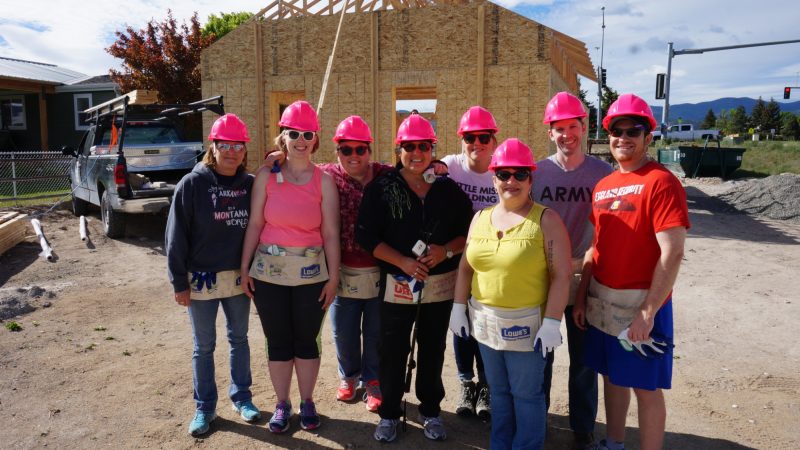
If there’s one thing we know to be true about Montana communities, it’s this: volunteerism isn’t just something we do, it’s who we are.
Across the state, local community foundations, nonprofits, and grassroots initiatives are powered largely by volunteers. And the data backs up what many of us see every day in our towns.
A Strong (and Growing) Culture of Service
Montana continues to rank among the top states in the nation for volunteering. In fact, Montana currently ranks eighth in the country for formal volunteerism, with more than 343,000 residents volunteering through organizations in 2023 alone (AmeriCorps, via Volunteering and Civic Life in America report).
Even more impressive, that represents a 6% increase in volunteering over just two years, signaling a strong rebound following a pandemic-related decline.
Those efforts translate into real impact. In 2023, volunteers in Montana contributed an estimated 27.3 million hours of service, valued at over $843 million (Montana Nonprofit Association, 2024 Economic Report).
Volunteerism as a Way of Life
Beyond formal volunteer roles, Montanans consistently show up for each other in informal ways:
- 68% of residents help neighbors through favors and support
- 79% regularly connect with neighbors socially
- 60% give financially to charitable causes
(Montana Nonprofit Association/AmeriCorps data)
These numbers tell an important story: in rural communities especially, the lines between “volunteer,” “neighbor,” and “leader” are often blurred.
A Sector That Relies on Volunteers
Montana’s nonprofit sector is growing rapidly. The state has more than 8,500 registered 501(c)(3) organizations statewide, an increase of nearly 1,000 since 2020 (Montana Nonprofit Association, 2025).
While this growth is exciting, it also highlights a reality for Montanan nonprofits:
Many of these organizations — especially in rural areas — depend heavily, if not entirely, on volunteer leadership.
For local community foundations, this is especially true. Board members, grant reviewers, fundraisers, and community champions are often all volunteers, balancing this work alongside careers, families, and other commitments.
Trends to Watch
While the overall story is positive, a few trends are shaping the future of volunteerism:
- Volunteer participation dropped significantly during the pandemic but is now climbing again at both the state and national level
- Many nonprofits still report difficulty finding and retaining volunteers, especially as workforce and time pressures increase
- Organizations are exploring new ways to engage volunteers, such as short-term opportunities, skills-based roles, and even virtual volunteering
What This Means for Local Community Foundations
For local community foundations, these trends highlight both an opportunity and a responsibility.
Volunteers are not just supporting the work, they are the workers.
As we look ahead, sustaining volunteer energy will require:
- Clear roles and expectations
- Meaningful engagement opportunities
- Recognition and appreciation
- Flexible ways to get involved
A Final Thought
The strength of Montana’s communities has always been rooted in people showing up for each other, for their towns, and for the future.
Local community foundations reflect that spirit. And while the numbers are impressive, they only tell part of the story. The real impact of volunteerism is found in the countless hours, quiet leadership, and deep care that volunteers bring to their communities every single day.
To every volunteer across our network: thank you. You are the heart of this work.